

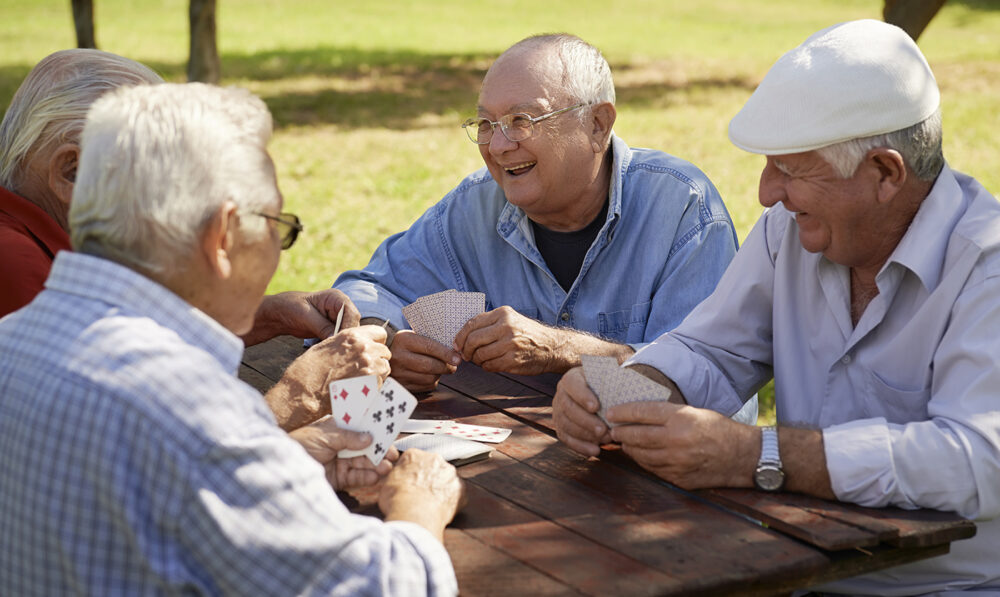
What helps senior communities feel connected to the towns and neighborhoods around them? Often, it is the relationships residents build with schools, businesses, civic organizations, faith groups, families and volunteers. These connections open the door to friendship, laughter, learning and a renewed sense of purpose. And moving to a retirement community does not diminish their desire to remain involved.
Local residents benefit, too. Spending time with older neighbors offers an opportunity to learn from the people who helped build their towns, businesses, organizations, schools and churches. A simple visit can lead to a wonderful story, a new perspective, or even an unexpected friendship.
Here are seven ways neighbors can get involved, and why these connections can be meaningful for residents and volunteers alike.
1. Share a Talent or Interest
Senior residents in communities have a wide range of interests, hobbies, and life experiences. That means you may not need special training to connect with your older neighbors. You simply need to share the activities you love.
Musicians can perform, artists can lead workshops, gardeners can help with seasonal planting, and local historians can share stories about the region. Bakers, photographers, crafters, travelers and collectors may also discover an enthusiastic audience waiting to hear from them.
Professionals often find that programs about technology, travel, wellness, finances, or current events are well attended. The best activities in senior communities reflect residents’ genuine interests rather than assumptions about what older adults might enjoy.
2. Connect senior communities with younger generations
Time and again, our team sees how activities involving local students, scout troops, colleges, and youth organizations can create memorable experiences.
Young people might read with residents, perform music, play games, complete art projects, or interview older adults about their lives. Senior community residents enjoy the energy and curiosity younger visitors bring, while students gain wisdom, encouragement and firsthand knowledge that cannot always be found in a textbook.
Simple activities, such as exchanging letters, decorating for a holiday, planting flowers or sharing favorite songs, can lead to genuine relationships.
For groups such as Boy Scouts, Girl Scouts, 4-H, choirs, church youth groups, JROTC, FFA and other leadership organizations, senior communities may also provide opportunities to complete service projects, work toward badges, earn volunteer hours, and build valuable communication and leadership skills.
3. Make time for conversation
Sometimes, the simplest gesture is also the most meaningful. A friendly visit, a conversation over coffee or a few unhurried minutes spent listening to someone’s stories can help a resident feel seen and valued.
Consistency makes these connections even more meaningful. A one-time visit can brighten someone’s day, but regular visitors often become familiar faces and trusted friends. Before long, both the visitor and the resident may be looking forward to their next conversation.
4. Bring local experiences inside
Residents may not always be able to attend every concert, museum exhibit, festival, theatrical performance or community event. Fortunately, local organizations can bring many of those experiences into senior communities.
When neighborhood organizations reach out, Country Meadows can help libraries facilitate book discussions, animal organizations arrange pet visits, and musicians or theater groups provide performances. Museums and historical societies can also offer presentations that connect residents with local history, traditions and events.
These programs offer much more than entertainment. They encourage mutual discovery, conversation, and continued learning. By inviting the community in, we help residents remain closely connected to the places they have long called home.
5. Invite residents to give back
Community engagement should never flow in only one direction. Older adults also want opportunities to help others and support causes that matter to them.
Residents may organize food drives, prepare care packages, knit items for hospitals, write to military service members, collect supplies for local organizations or mentor young people. Many senior communities also help residents continue volunteering with organizations they supported before moving.
Giving back can strengthen a resident’s sense of purpose while reminding the broader community that older adults continue to have valuable talents, ideas, knowledge and experience to share.
Sometimes, the best volunteer partnership is not about doing something for residents. It is about inviting residents to work alongside their neighbors.
6. Build lasting partnerships
The strongest connections often grow through ongoing relationships rather than one-time events. A school might schedule visits throughout the year. A business may encourage employees to volunteer regularly. A civic group could complete recurring service projects alongside residents.
Repeated interaction allows friendships to develop naturally. Residents become familiar with visitors, and community members gain a fuller understanding of the people who live in senior communities.
Along the way, visitors often discover that they are not simply giving their time. They are gaining friends, stories, laughter and a stronger connection to their community.
7. Ask how you can help
Every retirement community is different. Before planning a visit, contact the programming or volunteer team to learn what residents are interested in and what opportunities are currently available.
Team members can match a volunteer’s interests and abilities with residents’ preferences. They can also provide guidance about scheduling, accessibility, safety, group size and any supplies that may be needed.
You do not need to arrive with a fully developed program. Sometimes, the best place to begin is simply by asking, “How can we help?”
Which senior communities begin with connection
Relationships with families, volunteers, schools, businesses, and local organizations help create a fulfilling senior living experience. These connections give residents more opportunities to socialize, learn, contribute and form new friendships.
Senior communities are gathering places filled with knowledge, humor, talent and stories. And caring neighbors can help every resident continue to feel valued, welcomed, and connected.