

Sometimes, the hardest part of loving someone living with Alzheimer’s isn’t what they forget. It’s figuring out how to stay connected as your relationship changes.
For a spouse, it may mean visiting the person they love, raised their children and created decades of memories with and now discovering that, today, their partner doesn’t recognize them. For an adult child, it may mean accepting that Mom remembers a family vacation from 40 years ago but can’t recall what happened yesterday. Both of these scenarios can be incredibly painful and come with a host of emotions and questions.
Here at Country Meadows, our co-workers understand that memory loss impacts more than the individual who received the diagnosis. Spouses, children, friends and neighbors all face challenges of their own when navigating the realities of Alzheimer’s care.
Alzheimer’s care grounded in understanding and support
Recognizing these challenges, our care team established the Still Us Caregiver Network, a program designed to support spouses, family members, care partners and others whose lives are touched by memory loss.
The idea grew out of a 2025 presentation focused on Alzheimer’s care, when independent living residents at Country Meadows gathered to learn about the experiences of people living with memory loss and their families.
The conversations revealed that spouses often experience these challenges differently than adult children or other relatives. In response, Country Meadows created a place where people could discuss their experiences, learn from experts and discover they weren’t alone.
Today, the program connects our campuses through monthly presentations about memory loss, Alzheimer’s care and relationships. Each session begins with a shared presentation, followed by individual campus support groups where participants discuss the topic, exchange ideas, share frustrations, and talk to others who are also in the thick of it.
Additionally, strategies are shared with how best to engage and connected with their loved one. Rather than correcting them, our Still Us program teaches an approach to Alzheimer’s care which encourages families to meet their loved one where they are.
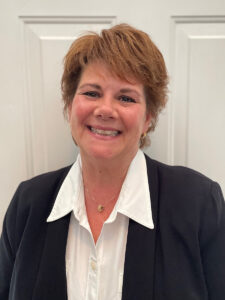 Martie Haller, an advisor at Country Meadows of Allentown, explains, “Sometimes, a person living with Alzheimer’s may recognize an earlier version of their spouse but not the person standing before them today.”
An old photograph, favorite song or conversation about a treasured vacation may create a meaningful connection. “We help them walk down a great memory lane,” Martie continues.
It’s a philosophy built on compassion, understanding and respect for the individual, while recognizing that those who love them need support, too.
When the person you love begins to change
One of the most meaningful aspects of the Still Us Caregiver Network is how differently people benefit from participating. For spouses, it’s knowing they’re not alone. After all, loving someone living with Alzheimer’s can feel overwhelming, particularly when a familiar relationship begins to change.
“It’s comforting for spouses, partners, and our residents to know that they are not the only one going through this,” Martie explains.
Still Us also welcomes residents who aren’t personally caring for someone with Alzheimer’s but want to understand what others are experiencing. Martie has been particularly touched by retired nurses who attend simply to support their neighbors.
Your presence is meaningful
The Still Us team encourages family members and friends to focus less on what loved ones can no longer remember and more on what they can still enjoy together. A visit might involve listening to favorite music, sharing cookies and hot cocoa or looking through photographs. Check out some of our other tips for a successful visit with your loved one.
Martie reassures family members, “You don’t need to have a lengthy conversation. Just sit and be present. Even if there is no recognition, the visit is meaningful.”
The upcoming holiday season is a perfect time to put this into practice. Instead of elaborate celebrations with a large guest list that can be overwhelming to your loved one, consider smaller gatherings with intentional planning. This could look like a making a meal or dessert from a favorite family recipe, playing familiar music or sharing memories of beloved traditions.
We are here to help
One thing Alzheimer’s care doesn’t change …the importance of feeling loved, understood and connected. No matter where you and your family are at in your Alzheimer’s care journey, we are here to help you maintain those connections. Contact a campus community near you to inquire about an upcoming Still Us program.