

By Suzanne Hoffman, Connections Manager at Country Meadows of York-South
 Suzanne Hoffman has worked at Country Meadows for five years and has been involved with the senior population for more than 10 years. She holds a degree in Healthcare Administration, earned a Personal Home Care Administrator license and is a Certified Dementia Practitioner, a Dementia Friends Champion and Dementia Live instructor. Suzanne uses her career experience and professional certifications to educate, empower and support families, residents and members of the community by giving them the tools and knowledge they need to help loved ones be successful on their dementia journey.
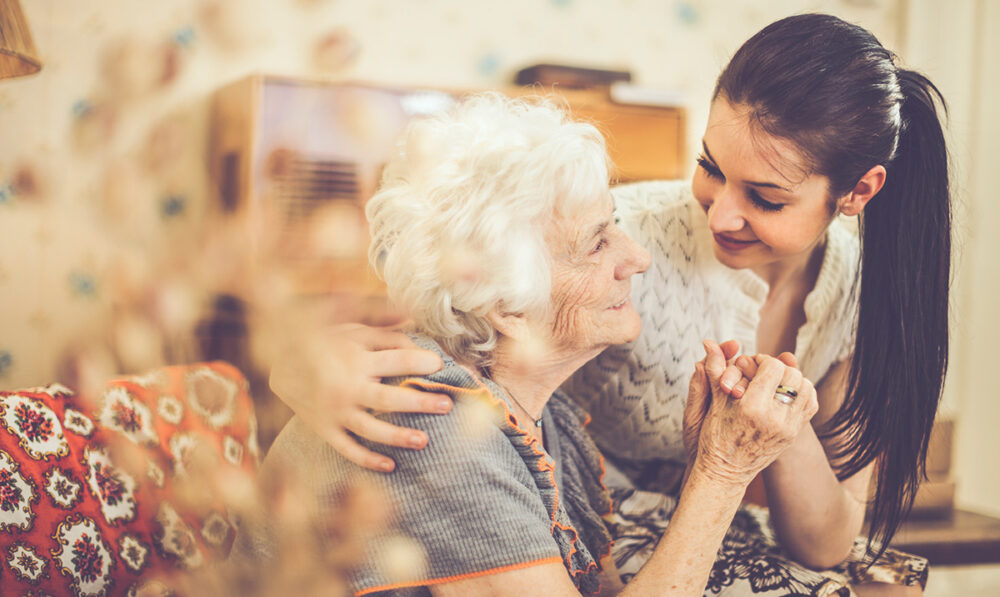
One of the most critical supports in dementia care is the memory care community of family members and friends who stand by their loved one, advocate for their needs, develop the ability to understand their new cues and walk with the resident every step of their journey. This is not an easy role to play and the road can be long and difficult, but it makes a world of difference in the quality of life and experiences of the individual with the dementia diagnosis. Why? Dementia is a journey that affects their entire world. Not only does it impact memory, but also perception and the ability to process information. Things that once came easy may now be confusing and overwhelming, or maybe even dangerous.
You don’t have to be related to someone receiving dementia care to have empathy and provide a safe memory care community. Everyone can do their part to ensure public spaces, such as restaurants, parks, shops and homes promote independence and physical and emotional wellbeing. Dementia Friends is a global network that supports caregivers with a goal of increasing knowledge and decreasing the stigma of dementia. Their mission is to make a positive difference in the lives of people living with dementia and change the way people think, act and talk about dementia.
In my role, I work with seniors and show the world how they are more than just their diagnosis. That is what dementia care means to me-genuinely caring about the person and his or her wellbeing. When I get to know my residents’ likes, dislikes, backgrounds and personalities, they let me into their world and allow me to be their friend, their advocate and their confidant. I encourage residents’ family members and friends as their loved one proceeds on their dementia journey. I love to share ways their relationships can continue despite the physical and mental changes or challenges they may be facing. Through my training and involvement in Dementia Friends, I have become a Dementia Champion. Meaning, I am certified to train organizations and community members on ways to increase knowledge and support about dementia, in hopes we can decrease the negativity and stigma that currently surrounds the diagnosis and the memory care community.
Small actions make a big impact when it comes to creating a memory care community that is dementia friendly. Consider these tips when evaluating ways to make your home, business and community more inclusive for those receiving dementia care:
Tips for the Home
Home should feel like a warm and safe space. Whether your loved one lives with family or resides in a memory care community, there should be comfort and familiarity in the areas that are called home.
- Keep furniture, decorations and frequently used personal items and objects in the same place to help trigger memory cues.
- Fill rooms with bright or natural lights, especially in hallways and staircases. At night, utilize night lights to prevent confusion.
- Be cognizant of safety hazards and try to declutter when able to avoid fall risks. Consider putting the main decorations on walls and hiding extension cords behind and under furniture. In bathrooms, install safety grab bars or non-slip mats. For kitchens, consider automatic shut-off appliances and securing sharp objects.
- Add visual cues and labels to frequently accessed areas such as drawers, cabinets and doors to help with navigation and easier completion of tasks. For example, place a picture of a shirt and pants on the closet door.
- Support routines. Just like most people, individuals requiring dementia care thrive in structure and routine. Installing large font clocks or posting an outline of daily schedules helps with consistency.
Tips for Restaurants
- Train staff to speak clearly and demonstrate a higher level of patience when serving a guest with dementia.
- If a party discloses the circumstances of a patron, consider placing their table in a less crowded part of the restaurant.
- Making an accessible menu available that includes photos of entrees.
- Educate staff on where first aid kits or other emergency essentials would be.
- Become a Dementia Friendly Business.
For families planning a dinner-out with a loved one receiving dementia care, check out these tips to make the experience enjoyable for all.
Tips for Parks/Outdoor Experiences
- Install large font or photos on signage.
- Consider designating a sensory-friendly area that may be quieter option.
- Focus on accessibility in the form of smooth walking paths, guard rails for support or fences that clearly define boundaries.
- Install benches around paths to encourage breaks and relaxation.
How to be a Good Memory Care Community Neighbor
When you become a Dementia Friend, you are also committing to being a good neighbor. This can include checking on individuals you think might be struggling with dementia, offering support to their family and helping your neighbor with simple tasks, like cleaning or mowing. Some individuals living with dementia might be higher functioning, while others may need extra help all of the time. If you are in a grocery store, retail establishment, restaurant or other public place, keep an eye out for some of these common signs and symptoms so you can lend a helping hand or simply offer patience and respect.
- Confusion or restlessness
- Agitation or inappropriate behaviors or action
- Getting lost in a familiar neighborhood
- Loss or difficulty doing day-to-day activities
- Wearing inappropriate clothing for the weather or appearing disheveled
- Language or communications issues
For more early signs and symptoms, visit the Alzheimer’s Association’s website.
Dementia Care Support Learning Opportunities at Country Meadows
For members of the community and families interested in learning more on how they can best offer dementia care support to their friends, loved ones or even strangers, there are many resources available. There are Dementia Friends organizations in both Pennsylvania and Frederick, Maryland that also share on how you can help strengthen your local memory care community. At Country Meadows, we have certified Dementia Champions who can help you become a Dementia Friend. We offer a program called Dementia Live, an immersive session putting you in the shoes of an individual with dementia. During a Dementia Live session, you get to experience sensory and environmental factors that someone with dementia might struggle with daily. We have had many participants leave the trainings with their eyes opened to the nuanced ways that memory loss seemingly affects everyday abilities. This experience can leave an impact and hopefully assist you in preparing for the future. If you would be interested in participating in a Dementia Live event, please contact an advisor at a campus near you to discuss the next session.
Thank you for taking the time to read this post and for supporting your memory care community neighbors. That’s what friends are for, right?!