

By Carol Ditman, Senior Executive Director of Programming
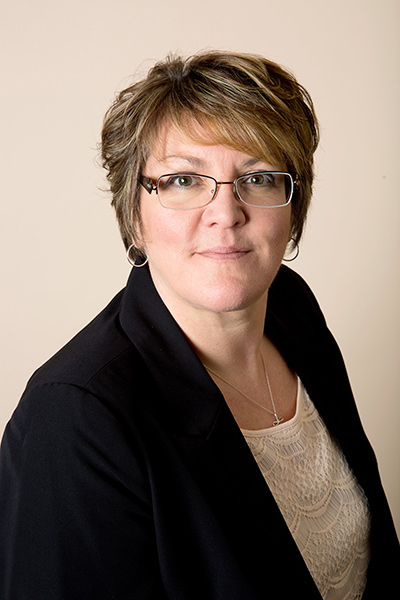 With more than 25 years of service in senior care, Carol Ditman is a seasoned administrator and dementia-care educator. As a Certified Dementia Practitioner and Certified Alzheimer’s Disease & Dementia Care Trainer, she has spent her career elevating standards of care, empowering caregivers, and improving quality of life for individuals living with Alzheimer’s and related dementias. At Country Meadows Retirement Communities, she leads company-wide initiatives in dementia education, therapeutic engagement and person-centered practices. Her mission is creating meaningful, dignified living experiences for residents at every stage of aging.
We all know medicine can do incredible things. It can help us manage health conditions, stay active and enjoy more years with the people we love. But medicine is only part of what helps us live well.
Medicine helps people live longer. Relationships help people live better.
One of the things I love most about working at a retirement community is seeing people not having to go through life alone. Connections are critical, and they can even happen in small natural ways. These kinds of everyday moments matter, but they can’t happen when a person spends too much time alone.
What does senior loneliness look like?
Loneliness is not always easy to spot. Most people will not come right out and say, “I feel isolated.” Instead, family members and friends may notice small changes. An older adult may begin sleeping more, moving less or losing interest in things once enjoyed.
One thing to watch for is phone calls becoming shorter. Maybe visits feel quieter. You may leave with the sense that the person is not quite thriving, even if the person tells you she is fine.
Of course, these changes alone are not always signs that someone is lonely, but they are worth noticing. Sometimes, you need to look closely to see if the person needs more connection, encouragement or simply someone willing to sit down and listen.
Why are friendships harder for older people?
Making friends can get more difficult as we age. For many older adults, their closest relationships were built over decades. They may have had the same spouse, neighbors, co-workers, church friends or social circle for much of their lives.
As people age, those circles often become smaller. A spouse may pass away. Friends may move, develop health concerns or become less able to get together. Retirement can also remove the everyday conversations and familiar faces that once came with going to work.
Health changes can make things harder, too. Hearing loss can mean that group conversations are frustrating. Vision or mobility challenges can add complications to attending activities or visiting friends. Even using a walker or another mobility device can add a new barrier when entering a new place.
And importantly, people may simply slip into the habit of being alone. After all, there is comfort in routines. As we get older, solitary rituals can feel safe. Walking into a new class or social group, especially when it seems like everyone else already knows one another, can feel daunting.
Being the new person can be intimidating at any age.
How can friendships help older people?
The good news is I have watched friendships make an enormous difference in people’s lives. I have seen residents who were withdrawn or isolated begin to laugh again. I have seen people become more engaged, more confident and more joyful once they found someone to sit with at lunch or a group where they felt comfortable.
The truth is friendship rarely begins with a deep conversation. Instead, it may start with a quick introduction, a cup of coffee or seeing the same person at a walking club two weeks in a row.
Over time, those familiar faces can become a support system. And that sense of belonging is something all of us need. Humans are social creatures. We thrive when we know someone notices when we arrive, cares when we are absent and is happy to see us.
How do we make new friendships easier for our residents?
I try to help my team make meeting people feel natural rather than forced. We begin with introductions. We may seat new residents with someone at lunch or invite a resident to a program that matches their interests. We also create opportunities for residents to share stories. You never know what you may discover about the person living next door.
Sometimes laughter is the best icebreaker. One of our communities offered a seated belly dancing class. It was a lot of fun and quickly turned into a wonderful giggle session. Everyone was trying something new together, and that shared experience helped people relax.
How can we help older people create connections without pressure?
Not everyone wants to walk into a large group, and that is okay. At Country Meadows, when we see a resident shying away from social activities, we take the time to get to know the person one-on-one. We learn about her life, interests and what makes her feel comfortable. Then we look for a meaningful connection, perhaps with one neighbor rather than an entire room full of people.
Every friendship that forms, every conversation that is shared and every neighbor who reaches out makes a community stronger. When people feel connected, supported and valued, life becomes richer for everyone, at any age.